Skin Cancer Symptoms Everyone Should Know
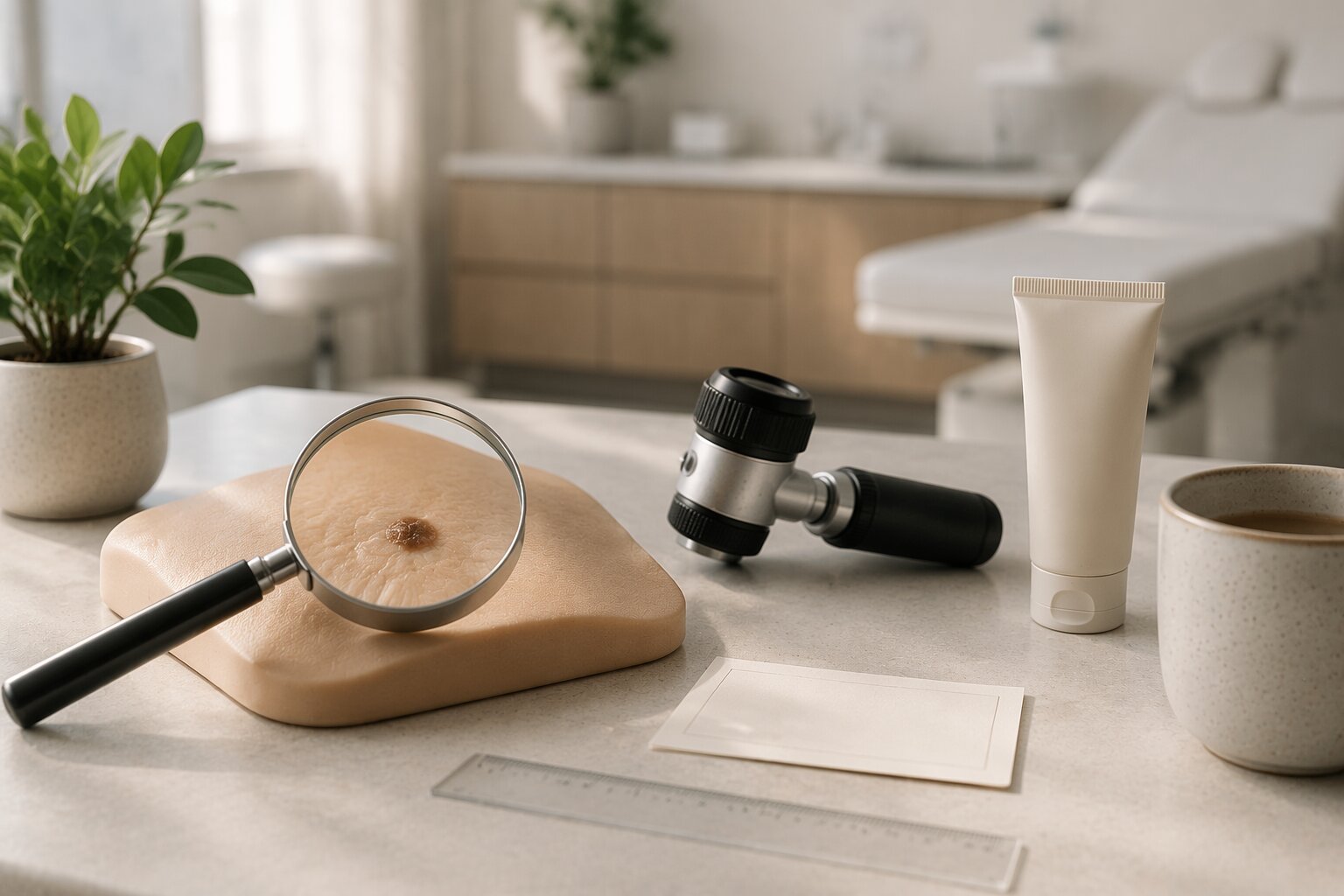
Skin cancer is one of the most common cancers in the United States.
Despite its prevalence, many people are unfamiliar with its early warning signs, which can lead to delayed diagnosis and more complex treatment.
Recognising potential signs early can improve the range of treatment options. However, only a qualified clinician can diagnose skin cancer.
What Does Skin Cancer Look Like?
Skin cancer can take several forms. Changes in an existing mole or spot, as well as the appearance of a new growth, may need checking. Sores that do not heal, bleeding or crusting lesions, and changes in colour, size or texture can also be warning signs.
Basal cell carcinoma, the most common type, may appear as a pearly or translucent bump, a sore that repeatedly heals and returns, or a flat, pink or skin-coloured patch. Squamous cell carcinoma can appear as a rough, scaly patch, a firm red nodule, or a crusted sore that may bleed. Melanoma is often assessed using the ABCDE guide: asymmetry, irregular borders, uneven colour, a diameter that is often greater than 6 mm, and evolution or change over time.
Early assessment is important. Any persistent, new or changing skin lesion should be examined by a GP, dermatologist or other qualified healthcare professional.
Skin Cancer Symptoms by Type: BCC, SCC, and Melanoma
Skin cancer can look different depending on its type. Basal cell carcinoma may present as a shiny or pearly bump, a pink scaly patch, or a sore that does not heal. Squamous cell carcinoma may appear as a rough or scaly patch, a firm red nodule, or a persistent crusted lesion. Melanoma is commonly assessed using the ABCDE criteria: asymmetry, irregular borders, uneven colour, diameter and evolution.
For a fuller guide to recognising skin cancer symptoms, it is important to check for new, changing or persistent marks across the whole body, not only on areas that receive frequent sun exposure.
The ABCDE guide is useful, but it does not identify every melanoma. A lesion that looks different from a person’s other moles, sometimes called an “ugly duckling” sign, should also be checked. Anyone who notices a concerning change should seek medical advice promptly.
The ABCDE Rule for Identifying Melanoma Symptoms Early
The ABCDE rule is a guide that can help people recognise possible signs of melanoma:
- Asymmetry: one half of a mole or lesion does not match the other.
- Border: the edges are irregular, uneven or poorly defined.
- Colour: there are different shades of brown, black, red, pink, white or blue.
- Diameter: the lesion is often larger than 6 mm, although melanomas can be smaller.
- Evolving: the mole or lesion is changing in size, shape, colour, sensation or appearance.
Having one or more of these features does not confirm melanoma, but it does mean the lesion should be assessed by a healthcare professional. Melanoma is generally more treatable when it is found at an early stage.
Body Areas Where Skin Cancer Most Commonly Appears
Skin cancer often develops on areas that receive regular sun exposure, including the face, scalp, neck, ears, arms and legs. However, it can develop anywhere on the body, including the back, soles of the feet, palms, genitals and beneath the nails.
In people with darker skin tones, some types of skin cancer, particularly acral lentiginous melanoma, are more likely to occur on the palms, soles and nail units. This does not mean that sun-exposed areas should be ignored. A thorough self-check should include the entire skin surface.
Sun-Exposed Skin Areas
Skin cancers commonly occur on the scalp, face, ears, neck, forearms and lower legs. Long-term ultraviolet exposure is an important risk factor for many skin cancers.
Basal cell carcinoma may appear as a shiny bump, a persistent sore or a pink, scaly patch. Squamous cell carcinoma may occur on areas such as the ears, face, scalp, hands and lower lip, and can present as a scaly patch, red nodule or non-healing sore.
Any unusual or persistent change in the skin’s appearance, texture or colour should be assessed by a qualified healthcare professional.
Less Obvious Cancer Locations
Skin cancer can also occur in areas with little direct sun exposure, including the palms, soles, genital area and skin beneath fingernails and toenails. These areas can be missed during routine self-examination.
Acral lentiginous melanoma is a subtype of melanoma that can occur on the palms, soles and beneath the nails. It can affect people of any skin tone. Signs that need medical assessment include a new or changing lesion, a persistent sore, a changing dark mark, or a new dark streak in or around a nail.
Darker Skin Considerations
Skin cancer affects people of all skin tones. In darker skin, it may be diagnosed later, partly because of lower perceived risk and because changes can be more difficult to notice.
Melanoma in darker skin may occur on the palms, soles or nail units. Basal cell carcinoma and squamous cell carcinoma can vary in appearance and may be pigmented. New, changing, bleeding or non-healing lesions should be checked regardless of skin tone.
Melanin offers some protection against ultraviolet radiation, but it does not eliminate the risk of skin cancer.
Skin Cancer Symptoms Most People Miss
Some signs of skin cancer can be mistaken for minor skin problems. These include a sore that does not heal, a spot that repeatedly bleeds or crusts, a scaly patch that persists, and a mole that changes in shape, colour or size.
A dark streak beneath a fingernail or toenail may require assessment, especially if it is new, widening, irregular, extends onto the surrounding skin or is not explained by injury. It is not always melanoma, but it should not be ignored.
Check areas that are easy to overlook, including the scalp, back, soles of the feet, between the toes, palms and nails. A partner, mirror or photographs can help with areas that are difficult to see.
Subtle Signs Often Overlooked
Changes in a mole’s shape, colour or size warrant medical evaluation. A scaly patch, persistent sore or skin-coloured bump may be caused by many conditions, but can also be a sign of skin cancer.
A new or changing dark mark beneath a nail, especially when there has been no injury, should be assessed. Regular skin checks can help people notice changes over time.
Nail and Hidden Areas
Nails and less visible body areas are often overlooked. A black or brown streak beneath a nail can have several causes, including benign pigmentation, injury and fungal infection, but it can occasionally indicate melanoma.
Self-examination should include the palms, soles, spaces between the toes, genitals and scalp. Any new, changing or unexplained mark should be discussed with a healthcare professional.
When to Seek Help
Seek medical advice for a new skin lesion that grows or changes, an existing mole that changes, a sore that does not heal, or a spot that bleeds, crusts or causes persistent pain or itching.
People with a personal or family history of skin cancer, a large number of moles, previous severe sunburn or significant ultraviolet exposure may have a higher risk and should discuss an appropriate skin-check routine with a clinician.
When Skin Cancer Symptoms Need a Doctor's Attention
Some skin changes should be assessed without delay. These include a mole with asymmetry, irregular borders, uneven colour or noticeable evolution; a lesion that is growing; and a sore that does not heal or repeatedly bleeds.
Changes in an existing mole, including new itching, tenderness, bleeding or a change in texture, should also be reported. A new lesion that looks different from the rest of a person’s moles deserves attention.
People with a previous skin cancer diagnosis or other risk factors may benefit from regular professional skin examinations. The right frequency depends on individual risk and should be decided with a healthcare professional.
Conclusion
Recognising possible skin cancer symptoms supports earlier assessment and treatment. The ABCDE criteria can help identify concerning moles, while persistent sores, scaly patches, bleeding lesions and new or changing skin marks may also need examination.
Regular self-checks can help people notice changes, but they do not replace clinical assessment. Sun protection, including shade, protective clothing and appropriately used sunscreen, remains an important way to reduce ultraviolet exposure.
If a skin lesion is new, changing, unusual or persistent, seek advice from a GP, dermatologist or other qualified healthcare professional.
|